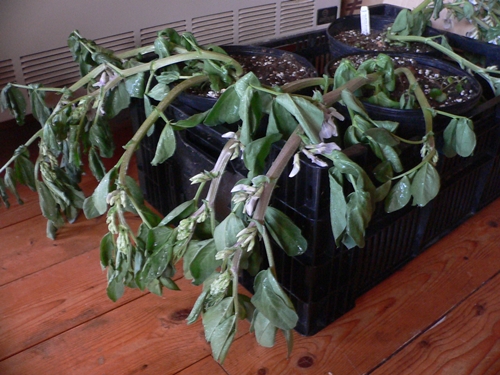
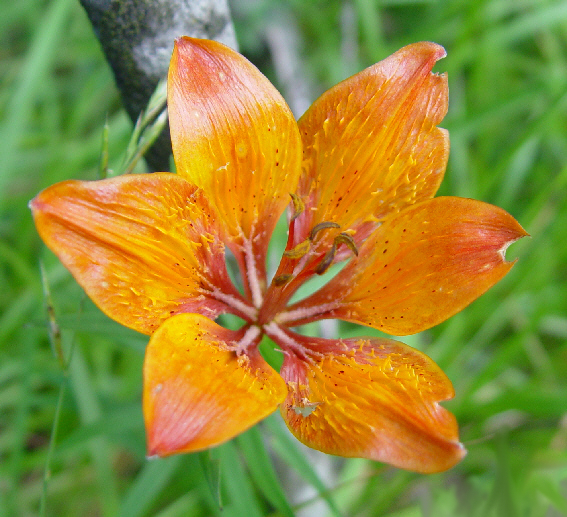
Esculent (edible) Inflorescence (flowers)
There are many ways to enjoy a flower.
We
can gaze at the bloom, taking in the color, contrast and shape of the
petals as they create a lovely composition. Holding one up to our noses
for a quick sniff is a fabulous way to trigger the release of
pleasurable endorphins in our brain. Rubbing soft petals between our
fingers or up against a cheek is sure to bring smiles and calming
thoughts.
Probably the most intimate approach is to pop a flower directly into our mouth and savor the flavor of the bloom.
 |
| |Date=2006 |Author=Mag. Dr. Markus |
As
long as Barbara Bush has been serving broccoli, people have been eating
flowers. Hops have flavored beer and dandelions have been used to
make wine for ages. Unfortunately, people also have been poisoning
themselves eating flowers as well!! Before going out to collect flowers
to add to your dinner salad or refreshing drink, read on for a few
pointers about edible flowers.
When
gathering edible flowers, beware of pesticides and poison flowers and
plants. If you are unsure if a flower has been sprayed: don't eat it!
If you are not 100% sure of the plant identification: don't eat it!
Failure to know what you are eating and if it has been sprayed can cause
sickness and death.
Edible flowers behave like
produce: there is a premium time to harvest for maximum flavor. Taste a
few blooms before harvesting to test for good taste. By all means, if
it doesn't take good, leave it for looking, smelling or touching instead
of eating!!
Here is a diagram of a flower with the various parts labeled.
As
a general rule, when you harvest flowers for eating, keep the flowers
cool. If the flower has a long stem, place the flower stem immediately
in water after cutting. This will help keep the bloom longer and the
flower tastier. Prior to eating, remove the pollen by removing the
pistils and stamens of the flowers. People are allergic to pollen so it
makes sense to remove it from your prepared meal! Remove the sepals of
all flowers except Johnny Jump Ups and Pansies. Only eat the petals of
calendula, chrysanthemum, lavender and rose.
In our area, gardens frequently contain plants with edible flowers.
Here's a partial list of annual and perennial flowers (versus herbs and shrubs) that made me
smile. You see, I have many of these in my garden and now can look
forward to adding another avenue of bloom enjoyment!!
Bachelor's Button (Centaurea cyanus)
Borage (Borago officinalis)
Calendula (Calendula officinalis)
Chives (Allium schoeonoprasum)
Dianthus (Dianthus spp. - sweet williams, pinks, carnations)
 |
| Density, 2004 Wikipedia |
Hollyhock (Althea rosea)
Lavender (Lavendula spp.)
Marigold (Tagetes patula)
Mint (Mentha spp)
Nasturtium (Tropaeolum majus)
Pansy (Viola x wittrockiana)
Scented Geraniums (Pelargonium spp.)
Violet (Viola odorata)
Note
this is a partial list: I can find these in my garden so I listed
them. :) There are many more including herbs and some trees and
shrubs!
A comprehensive source for learning about edible flowers, complete with listings can be found at
North Carolina State University's website.
I
encourage you to click on the North Carolina State link above and
explore. We have five senses ~ why not use all of them in the
garden!!!